

Enhance Lab Precision with My Aqualit Insights: Lab Equipment Optimization Insights

Laboratory precision is critical for reliable research and accurate diagnostics. Small errors in measurement or equipment calibration can lead to significant setbacks. Optimizing lab equipment is essential to maintain high standards and improve outcomes. This post explores practical ways to enhance lab precision using advanced insights and tools.
Importance of Lab Equipment Optimization Insights
Lab equipment optimization insights help identify inefficiencies and improve instrument performance. These insights come from data analysis, user feedback, and technical evaluations. They guide decisions on maintenance, calibration, and upgrades.
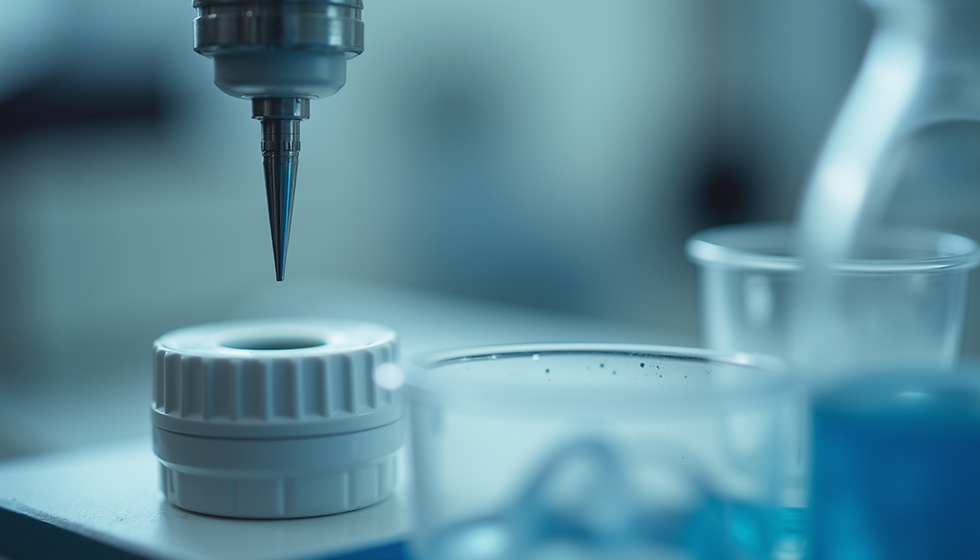
Optimized equipment reduces downtime and errors. It also extends the lifespan of instruments. For example, regular calibration of pipettes ensures accurate volume delivery, which is crucial in biochemical assays. Similarly, maintaining centrifuges at recommended speeds prevents sample damage.
Implementing optimization insights involves:
Monitoring equipment performance regularly
Scheduling preventive maintenance
Training staff on proper usage
Using data-driven tools for diagnostics
These steps improve reproducibility and reliability in lab results.

Lab Equipment Optimization Insights in Practice
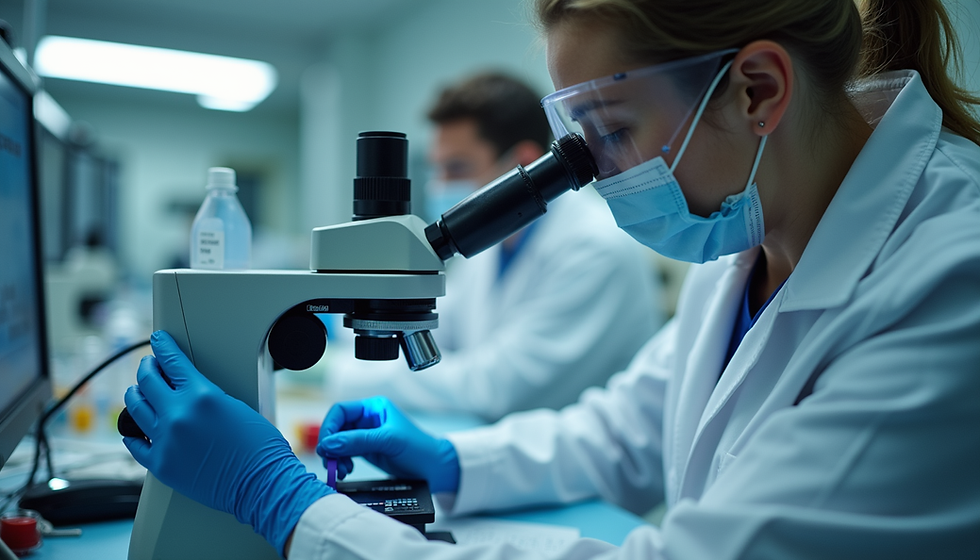
Applying lab equipment optimization insights requires a systematic approach. Start by assessing current equipment status. Use diagnostic tools to check calibration and functionality. Document any deviations from standard performance.
Next, prioritize equipment based on usage frequency and impact on results. High-use instruments like spectrophotometers and incubators should receive more frequent checks. Establish a maintenance calendar tailored to each device.
Training is another key factor. Staff must understand the importance of following protocols strictly. For instance, improper handling of micropipettes can cause volume inconsistencies. Regular refresher courses help maintain skill levels.
Data collection and analysis play a vital role. Digital logs of equipment performance can reveal trends and predict failures. This proactive approach minimizes unexpected breakdowns.
What is Insight in Medicine?
Insight in medicine refers to the understanding and awareness of a patient’s condition, treatment options, and the implications of medical decisions. In the context of laboratory work, insight extends to recognizing the significance of precise data and accurate diagnostics.
Medical insight supports better clinical decisions. It depends on reliable lab results, which in turn rely on optimized equipment. For example, accurate blood glucose measurements are essential for diabetes management. Any error in the lab process can mislead treatment plans.
Insight also involves continuous learning and adaptation. Laboratories must stay updated with technological advances and regulatory standards. This ensures that diagnostic methods remain valid and effective.
Leveraging My Aqualit Insights for Enhanced Precision
Using my aqualit insights provides a structured way to improve lab precision. The platform offers detailed analytics on instrument performance and maintenance needs. It helps labs identify weak points and implement corrective actions.
For example, a diagnostic center can track the calibration status of all its spectrophotometers through the platform. Alerts notify when recalibration is due, preventing measurement drift. This reduces the risk of inaccurate test results.
The insights also support decision-making for equipment upgrades. By analyzing usage patterns and failure rates, labs can plan investments more effectively. This ensures resources are allocated to instruments that impact results the most.
Integrating these insights into daily operations fosters a culture of quality and accountability. It encourages teams to maintain high standards consistently.

Best Practices for Maintaining Lab Equipment Precision
Maintaining precision requires ongoing effort and adherence to best practices. Here are key recommendations:
Regular Calibration
Schedule calibration based on manufacturer guidelines and usage intensity. Use certified standards for accuracy.
Preventive Maintenance
Perform routine checks and servicing to avoid unexpected failures. Replace worn parts promptly.
Proper Handling and Storage
Train staff on correct equipment use. Store instruments in controlled environments to prevent damage.
Documentation and Record-Keeping
Maintain detailed logs of maintenance, calibration, and repairs. This supports audits and quality control.
Use of Quality Consumables
Employ high-quality reagents and accessories compatible with instruments to ensure consistent performance.
Continuous Training
Update staff knowledge on new protocols and technologies. Encourage feedback to identify operational issues.
Following these practices helps sustain high precision and reliability in laboratory operations.
Enhancing Lab Outcomes Through Equipment Optimization
Optimized lab equipment directly improves research and diagnostic outcomes. Accurate instruments yield trustworthy data, which is the foundation of scientific conclusions and clinical decisions.
For research institutions, this means reproducible experiments and valid results. For diagnostic centers, it translates to correct patient diagnoses and effective treatments. Clinical laboratories benefit from reduced error rates and faster turnaround times.
Investing in equipment optimization also enhances lab reputation. Consistent quality attracts collaborations and funding opportunities. It supports compliance with regulatory standards and accreditation requirements.
In summary, focusing on lab equipment optimization insights is a strategic move. It strengthens the entire laboratory workflow and contributes to scientific and medical advancements.
By applying these principles and leveraging tools like my aqualit insights, laboratories can achieve higher precision and reliability. This supports their mission to deliver trusted quality and technical excellence in the research and diagnostics sectors.

Comments